In the RMT framework, we typically focus on the “system”—the mission, the operating plans, and the work agreements. But even with some of the best systems, teamwork will falter if teammates aren’t personally developing their “toolbox” to navigate daily challenges.
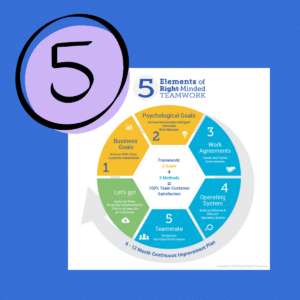
Element #5: Right-Minded Teammate Development is the essential foundation for sustaining a healthy team culture. It is the conscious choice of an individual to strengthen their performance by balancing technical skills with a “Reason-led” attitude.
The Two Talents of a Right-Minded Teammate
Every teammate brings two distinct talents to the table. To achieve 100% customer satisfaction, a team needs teammates to strengthen both:
- Technical Skill: Your ability to code, sell, manage, or design. RMT advocates putting people in roles that suit their natural technical strengths.
- Personal Attitude: This is your “Right-Minded” willingness and ability to self-adjust. When things go wrong, you do not follow Ego’s demand to blame, defend, and attack. Instead, you follow Reason’s guidance of acceptance, forgiveness, and adjustment.
A Right-Minded teammate doesn’t just “do their job.” They consciously monitor their internal state to ensure they Do No Harm and Work as One®.
3 “Real-World” Team Exercises to Strengthen Your Team
You don’t need “silly games” to develop teammates. You need fit-for-purpose workshops that resolve real challenges. Here are three RMT exercises you can implement right now to address Element #5:
1. The 4-Question Role Clarification Exercise
When roles are fuzzy, team efficiency drops, and frustration rises. This exercise is faster and often better than a complicated RACI chart. By asking four simple questions—including “What are you getting that you DON’T need?”—teammates uncover hidden obstacles and reach a state of Oneness.
- Why it works: It clarifies deliverables and support needs in minutes, not hours.
2. “About Me & My Preferences” Workshop
This never-fail exercise is more effective than standard personality tests. Instead of labeling people, it asks teammates to share their actual work preferences: “If you think I’m about to make a mistake, what’s the best way to call it to my attention?”
- Why it works: It creates immediate, practical teammate Work Agreements that prevent “Ego-Attacks” before they start.
3. The Trust Dialogue Exercise
Trust isn’t a vague feeling; it’s based on behavior. This one-on-one breakout exercise uses the three criteria of Candidness, Listening, and Partnering. Teammates use a preparation worksheet to give honest, behavior-based feedback.
- Why it works: It transforms “judgment” into “joint accountability.” (Note: Because this requires deep honesty, I recommend an experienced facilitator lead this specific session.)
You can find all of these exercises for free here, click here.
The 7 Mindfulness Lessons of RMT Thinking
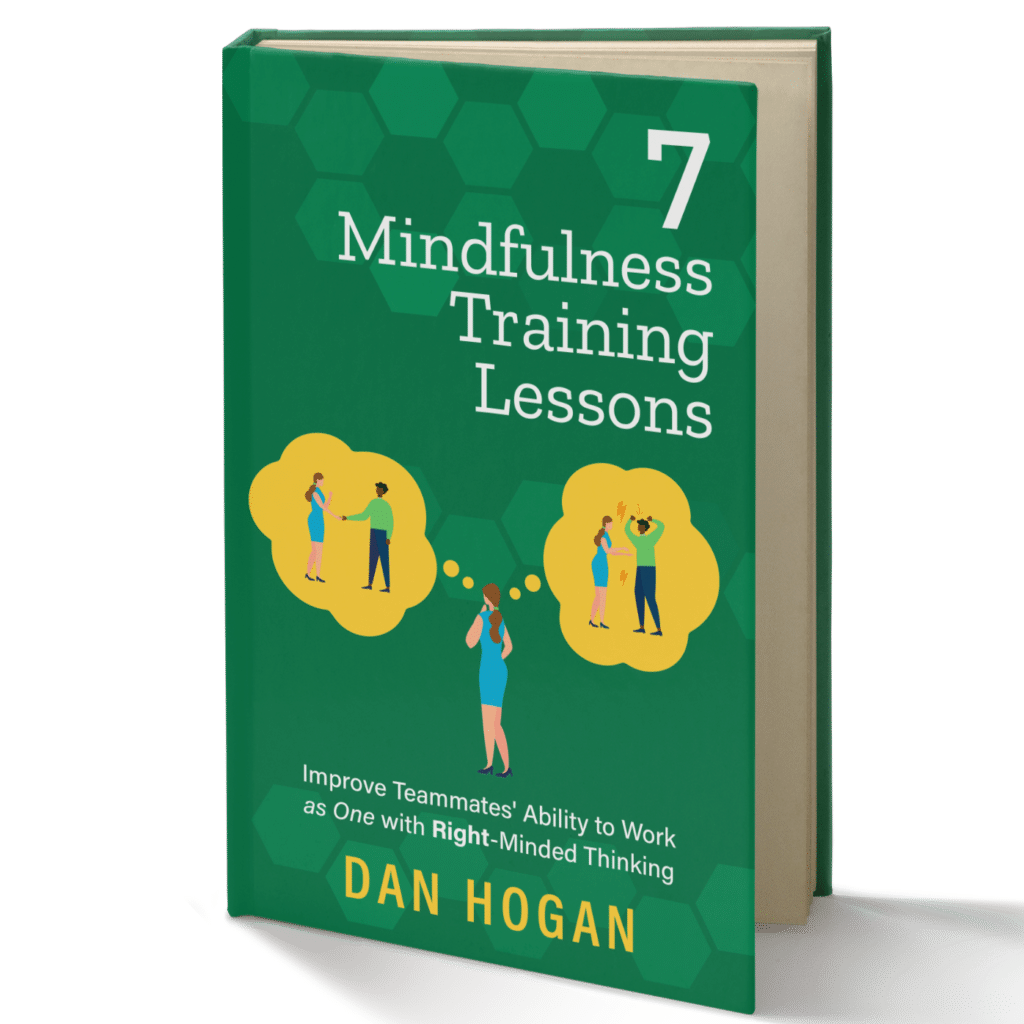
Another powerful RMT option for teammate development is the book 7 Mindfulness Training Lessons. This can be taught in a team workshop or assigned as an individual development goal.
At the core of this book is your desire and willingness to “Accept, Forgive, and Adjust” your attitude and behavior when difficult team situations arise. When a teammate chooses to follow Reason, they apply these lessons to stay mindful, even in a crisis:
- I am not upset for the reason I think.
- I accept and own my part in this situation.
- It’s impossible for my thoughts to be neutral.
- I forgive others and myself.
- I will transform the effects of this situation.
- I adjust my thinking and behavior.
- I see every difficulty as a learning opportunity.
To learn more about this powerful book, click here.
Your Next Steps for Teammate Development
Individual effectiveness is a journey. To sustain high-performance teamwork, I recommend:
- Conducting at least two development workshops per year that all teammates attend, using the exercises above.
- Onboarding new teammates within their first week by presenting, with all teammates in attendance, your team’s business goals and Work Agreements.
- Integrating two or three personal “Right-Mindedness” goals (like the 7 mindfulness lessons) into your annual performance review.
Ready to equip your teammates with the Right-Minded toolbox? Download any or all of the resources above, or apply exercises and training you know will help your teammates to Do No Harm and Work as One®.
As a retired facilitator, my function is now to support your journey. If you have questions about implementing these tools in your team, please reach out.

May Oneness be With You & Your Teammates 🙏
Dan Hogan, Certified Master Facilitator
P.S. New here? You can learn more about my 40-year mission to help teams Do No Harm and Work as One® on my About Page.
