Preventions and Interventions are a fundamental component of Right-Minded Teamwork (RMT) workshop design (steps 4 and 9 of the 12-Step Facilitation Process).
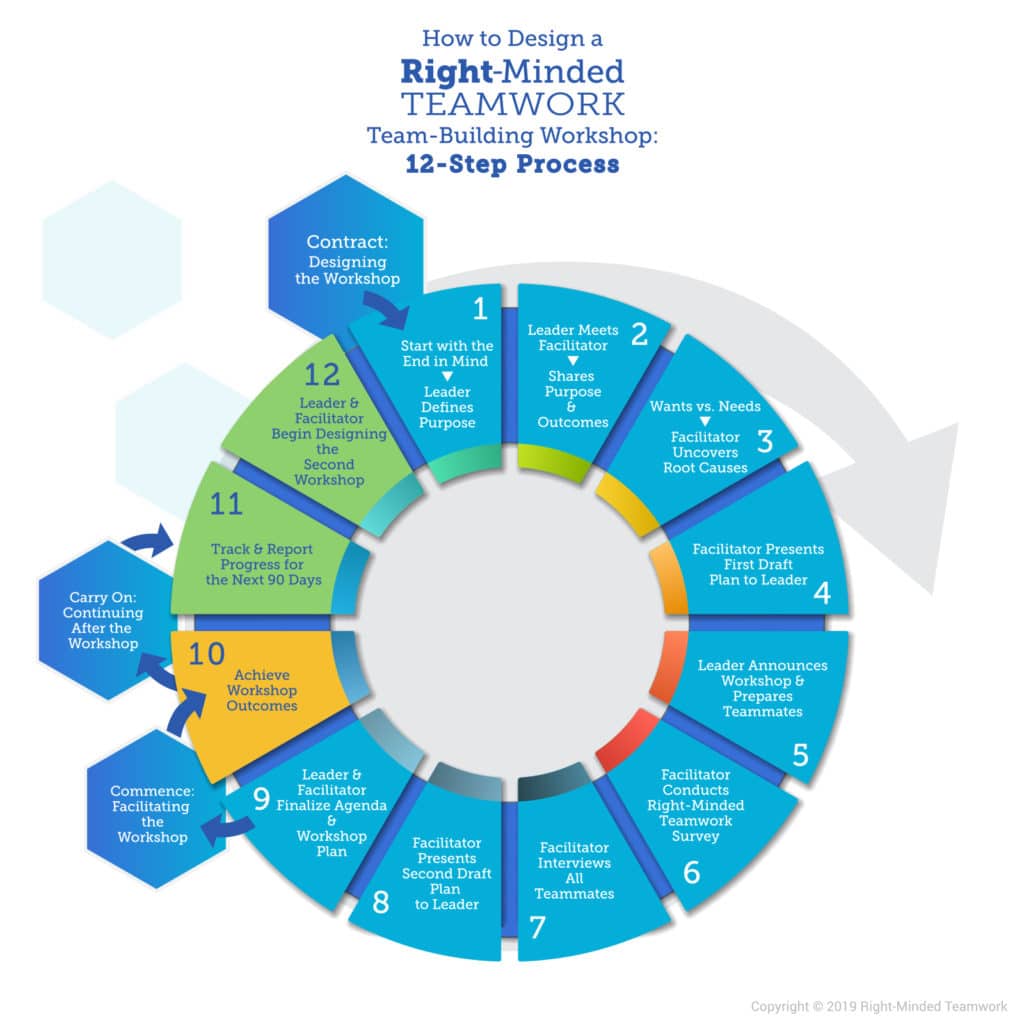
This planning process requires the facilitator and the team leader to collaborate and proactively identify potential issues that could prevent teammates from achieving the desired workshop outcomes.
The goal is to move beyond simply having an agenda and establishing a clear strategy for addressing both anticipated problems (Preventions) and unexpected disruptions during the workshop (Interventions).
Identifying Workshop Barriers
Before the workshop, the facilitator and team leader must identify potential barriers that could inhibit teammates from creating valuable “right-minded” Work Agreements. These barriers generally fall into two categories:
- Process Barriers: Issues related to structure, logistics, or complexity (e.g., divided time zones, shift work conflicts, slow management approval).
- People Barriers: Issues related to individual attitudes or interpersonal dynamics (e.g., resistance to team building, toxic conflict, language/cultural differences).
For each high-likelihood barrier, a corresponding Prevention and Intervention plan is created.
Prevention Plans: Proactive Engagement
Preventions are actions taken before the workshop to eliminate or mitigate identified barriers. A common example is proactively addressing a resistant teammate:
- Inclusion: The facilitator interviews the resistant teammate and incorporates their ideas into the workshop design to ensure they feel validated and heard.
- Pre-Workshop Agreement: After reviewing the final agenda, the facilitator gains the teammate’s consent and commitment to support the outcomes, creating a solid prevention against negativity during the event.
Intervention Plans: The Escalation Approach
If preventions fail, Interventions are the agreed-upon actions taken by the facilitator or leader during the workshop to address disruptive behavior. The RMT process advocates for an escalating intervention approach, always starting with the lowest level of intervention first.
Interventions should be guided by tools like the PCA (Present, Clarify, Agree) framework, which reminds teammates, at the beginning of the workshop, of
- the agreed-upon outcomes,
- ground rules, and
- Decision-Making Work Agreement.
Learning how to address conflict through structured intervention may initially be uncomfortable, but it is a vital facilitation skill that improves with practice, ensuring the team remains in the Classroom and achieves its goals.
Action
To learn more about effective preventions and interventions, go to RightMindedTeamwork.com or your favorite book retailer, and pick up your copy of these two books:
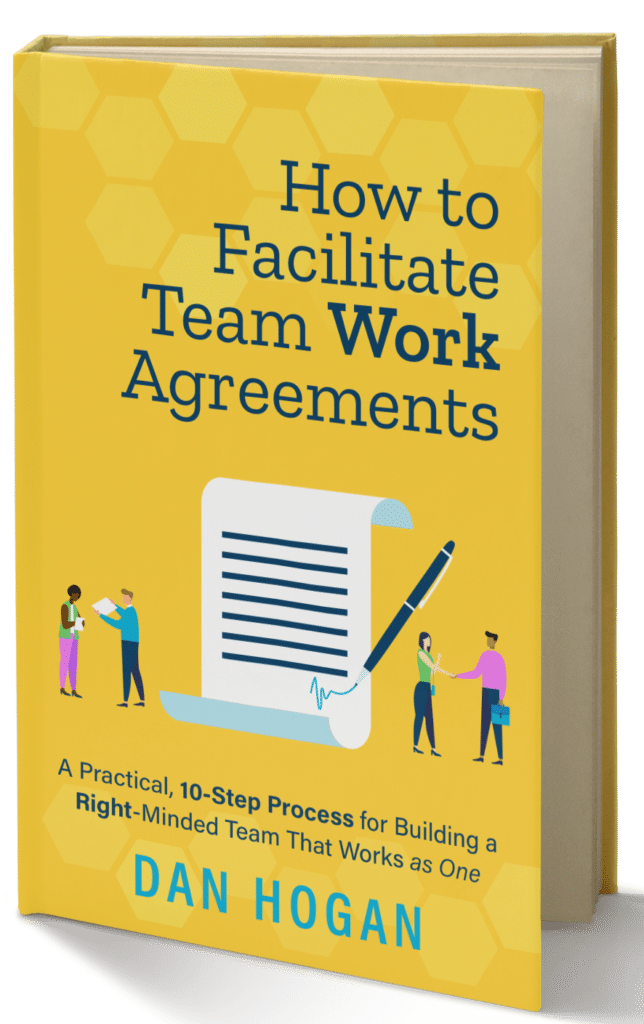
How to Facilitate Team Work Agreements: A Practical, 10-Step Process for Building a Right-Minded Team That Works as One
Download the ebook package here at Right-Minded Teamwork
Buy the Paperback Book Directly from Us, or at Amazon
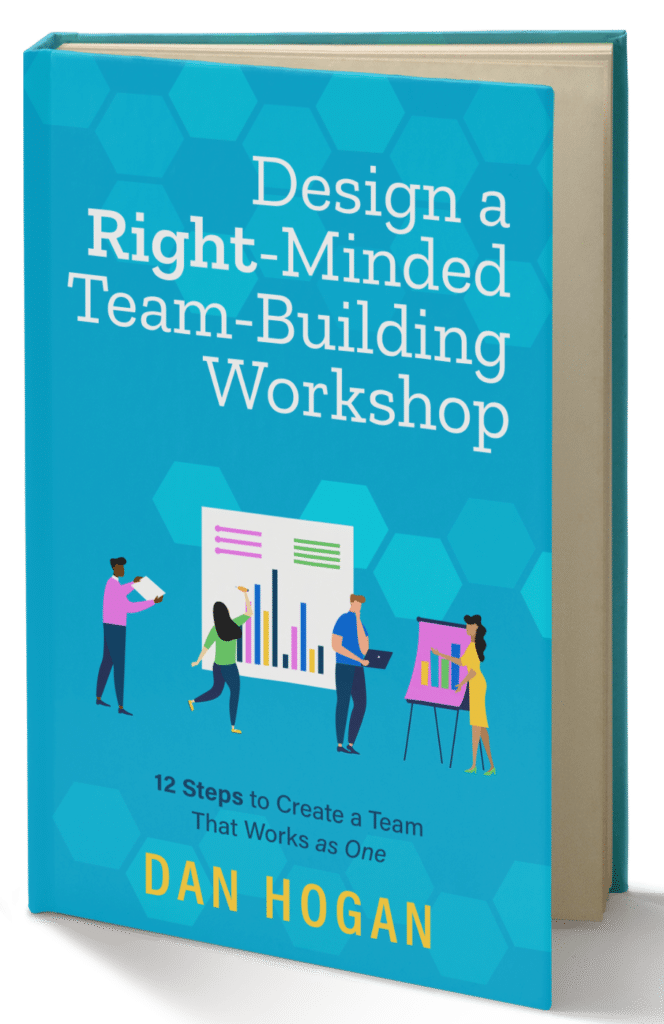
Design a Right-Minded, Team-Building Workshop: 12 Steps to Create a Team That Works as One
Download the ebook package here at Right-Minded Teamwork
Buy the Paperback Book Directly from Us, or at Amazon
