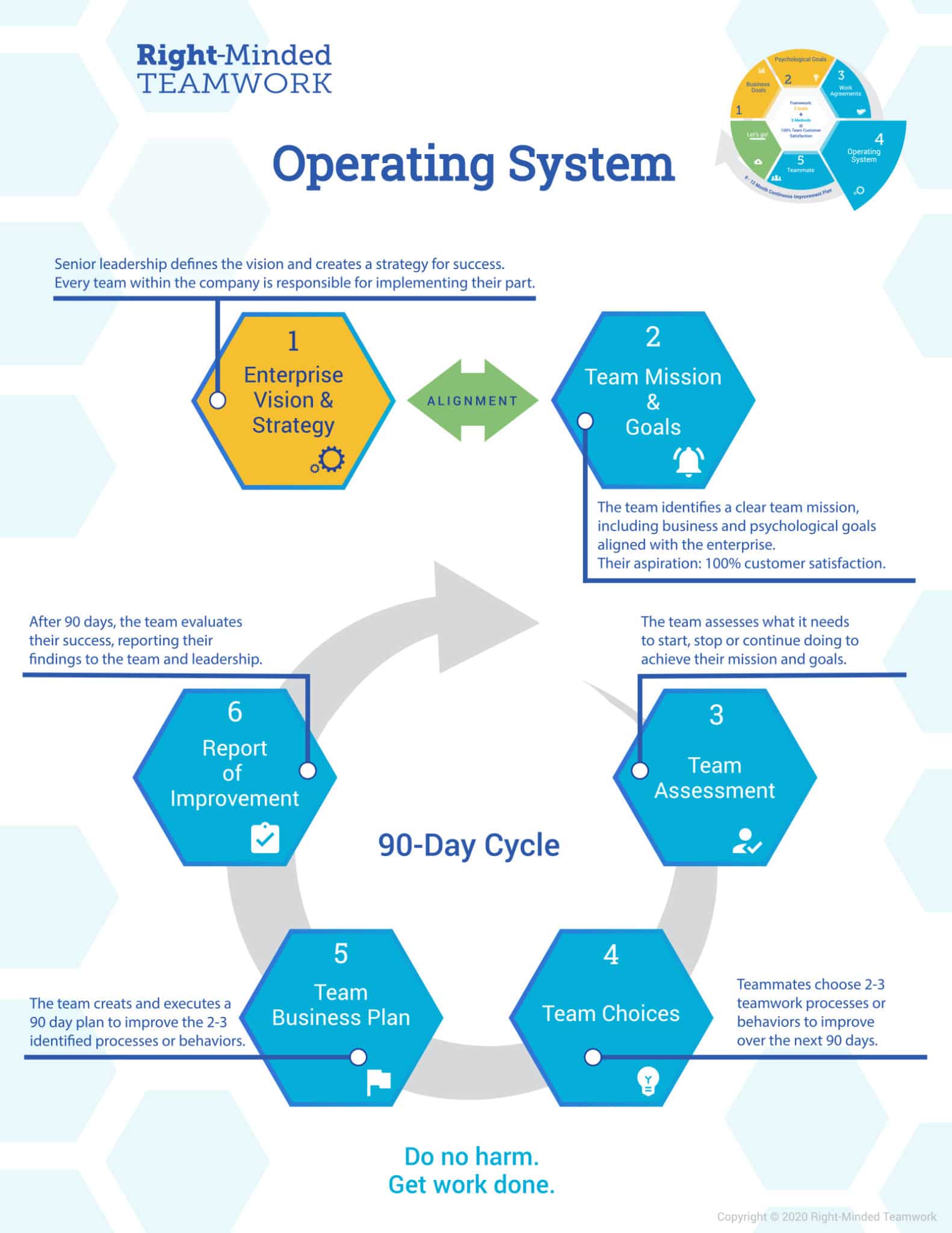
A Decision-Making Work Agreement is an essential type of Process Work Agreement that clearly defines how decisions are made and who makes them within a team.
Every team needs this Agreement to prevent unnecessary interpersonal dysfunctions and work mistakes. RMT advocates including it in the team’s Operating System’s Business Plan as a core standard. Decision-making is also measured in the Team Performance Factor Assessment (#18), emphasizing its impact on focus and track-keeping.
If your team does not currently have one, making it a priority is highly recommended.
Range of Decision-Making Options
To create an effective Agreement, a team defines its process using clear guidelines and chooses from a range of options:
- Command: The leader decides and announces the choice. This is suitable for emergencies or inconsequential decisions. RMT Guideline: Teammates happily abide by the announced choice.
- Consult: The leader gathers information and recommendations, then decides and announces the choice. RMT Guideline: Teammates happily abide by the announced choice.
- Consensus: The team desires to reach a consensus, where everyone has equal authority to advocate. RMT Guideline: Consensus requires a clear fallback option and adherence to the motto: “None of us is as smart as all of us.”
- Delegation: The leader gives the team or a subgroup the authority to decide within specific guidelines. RMT Guideline: The leader and teammates abide by the delegated group’s decision.
The Goal: Consensus and Support
The most desirable approach in RMT is striving for Consensus.
Consensus does not mean 100% agreement; rather, it means that all teammates agree to actively support the decision, in word and deed, even if it wasn’t their personal preference. A team achieves consensus when every teammate can confidently state:
- My personal views and ideas have been listened to and seriously considered.
- I have openly listened to and seriously considered the ideas and views of every other team member.
- Whether or not this decision would have been my choice, I will actively support it and work towards its implementation and success.
Effective Decision-Making Work Agreements focus on two activities:
- defining the problem and then
- solving the problem,
always looking for a win-win solution and avoiding debates, and ensuring sufficient time is allowed for important decisions.
Action
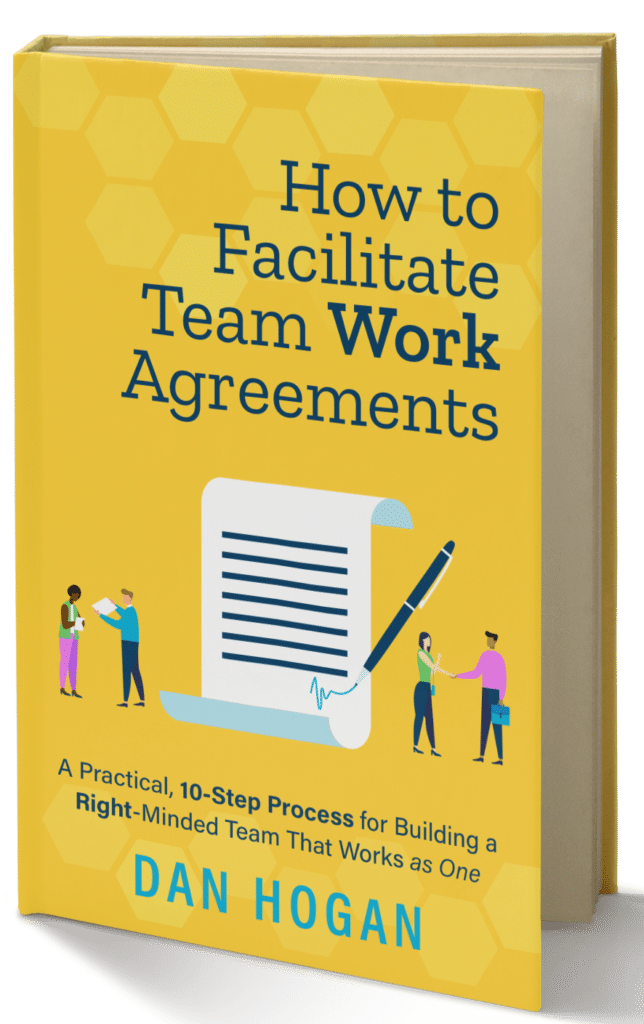
In the book, How to Facilitate Team Work Agreements: A Practical, 10-Step Process for Building a Right-Minded Team That Works as One, you will find two real agreement examples. The first one is a behavioral team Communication Work Agreement, and the other is a Decision-Making Work Agreement. Check it out and use it as a model for your team’s Decision-Making Work Agreement.
Download the ebook package here at Right-Minded Teamwork
Buy the Paperback Book Directly from Us, or at Amazon
