
The Root Cause Identifier Tool is a critical component of the Right-Minded Teamwork (RMT) 12-step workshop design process, emphasizing that successful team transformation requires identifying and resolving the root cause of dysfunction, not treating the visible symptoms.
In the RMT workshop design process, it is a core facilitator task to reflect on the leader’s desired outcomes, assume they are mere symptoms, and then identify the underlying psychological or procedural root causes.
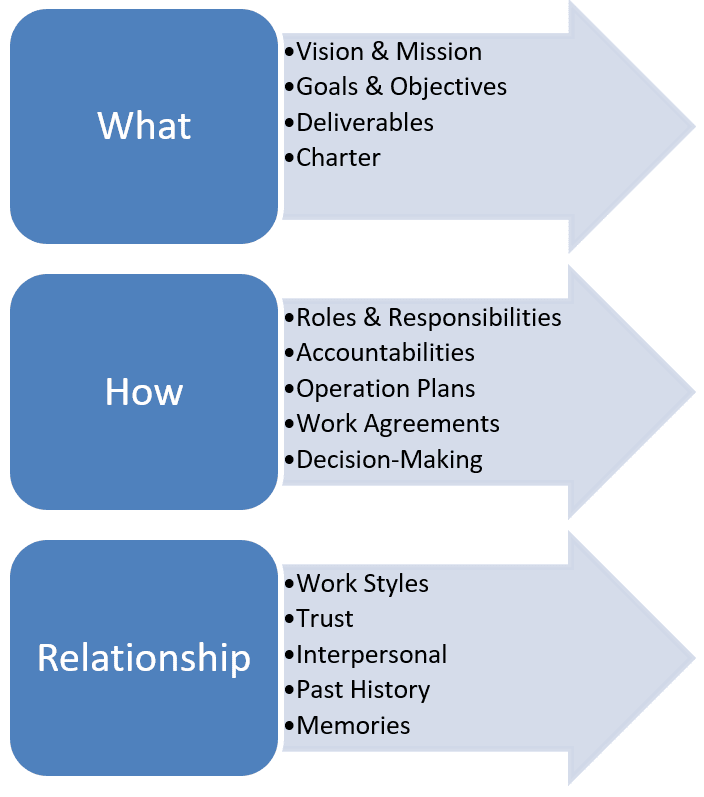
The Mental Model for Identifying Root Causes
The RMT approach to finding the root cause is a three-level model that requires the facilitator to start at the base level (Relationships), where conflicts are felt, and then work upward to determine the actual cause (Hows or Whats).
1. Relationships (Focus: Emotions/Feelings)
- The Symptom: Conflicts are first experienced or felt here. Examples include work style clashes, lack of trust, poor interpersonal behavior, or negative history.
- Crucial Insight: You must not assume the conflict’s root is a personality issue. These relationship conflicts are almost always symptoms caused by a breakdown at a higher level.
2. Hows (Focus: Processes/Structure)
- The Root Cause: This is the most common underlying cause for relationship conflicts. It involves dysfunctional processes, roles, responsibilities, or accountability. Examples include a lack of clear Work Agreements, no clarity about decision-making, or unclear roles/responsibilities.
- Resolution: When roles and responsibilities are unclear, tasks fall through the cracks, leading to blame and mistrust (the Relationship symptom). Clarifying these Hows is necessary to rebuild trust.
3. Whats (Focus: Goals/Alignment)
- The Deeper Root Cause: If the Hows are clear but conflict persists, the root cause may lie here. This level involves major disagreement regarding the team’s vision, mission, or goals.
- Resolution: If teammates disagree with a leader’s goals, they may lack trust in that leader (the Relationship symptom). The solution is a team-building workshop to correct the team’s misaligned Whats.
Root Cause Story
You will also find a story about a well-meaning team leader who asked me, as their team-building facilitator, if I could teach a three-day workshop in just two days. He believed a quick team event would address the problem he saw in his team.
But the problem he was seeing was only the symptom, not the root cause of the issue. Had I agreed and given him what he asked for, the team would still be struggling with the same issue. And, as a facilitator, I would have failed both the team and the leader.
Instead, by pausing to look for the root cause of the team challenge first, we ended up designing and executing a practical, Right-Minded Teamwork workshop to solve the actual underlying problem.

By seeking out the root cause first, we delivered the leader’s desired result, even though the workshop we held was not what he had initially asked for.
Actionable Insight
To improve your ability to uncover root causes and read this short story, pick up your copy of Design a Right-Minded, Team-Building Workshop: 12 Steps to Create a Team That Works as One.
Download the ebook package here at Right-Minded Teamwork
Buy the Paperback Book Directly from Us, or at Amazon